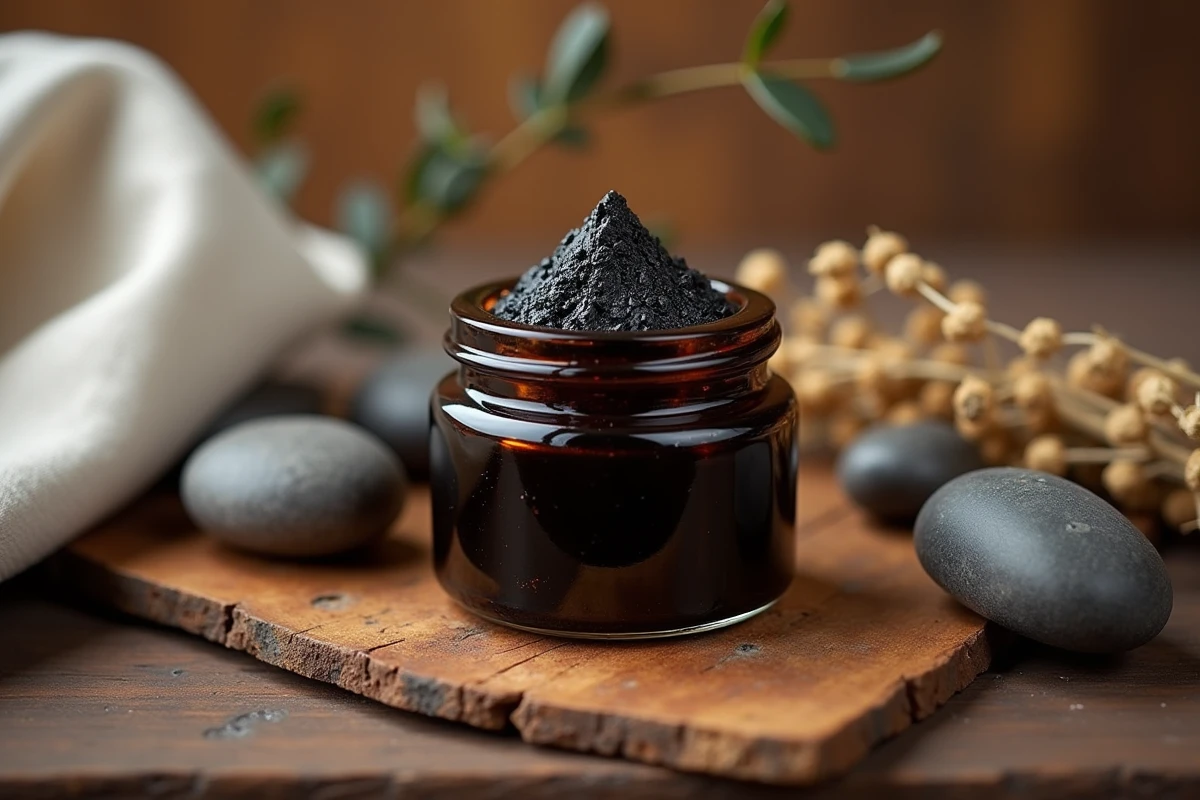
Shilajit is a black resin of organo-mineral origin, harvested from rock crevices in mountain ranges such as the Himalayas or Altai. Rich in fulvic acid and minerals, this substance is generating increasing interest in the dietary supplement market aimed at energy, endurance, and mental clarity. Its regulatory status in Europe remains unclear, and the quality of marketed products varies significantly from one seller to another.
Shilajit and European Regulation: A Persistent Gray Area
In 2023, the EFSA reminded that shilajit is not listed among the authorized Novel Foods at the European level. In practice, many products circulate under the label “dietary supplement” without having undergone a safety assessment harmonized across the European Union.
This situation creates a gap between the product’s popularity and the framework that governs it. A French consumer can buy shilajit online or in specialty stores, but they do not benefit from the guarantees that a formal authorization would provide. For prolonged use, this lack of official evaluation poses a concrete problem.
Before starting a regimen, it is useful to discover Medic Com and its advice on the conditions for using this resin within a structured health framework.

Heavy Metals in Shilajit: Check Before Consuming
Recent quality controls have highlighted worrying levels of heavy metals in some shilajits sold online, notably lead and arsenic. Several European laboratories now recommend requiring an independent certificate of analysis (COA) before any regular consumption.
The issue lies in the very nature of the product. Shilajit forms through plant decomposition in rock layers that can concentrate toxic elements. Without rigorous purification, the raw resin carries these contaminants to the consumer.
Concrete Criteria for Evaluating the Purity of Shilajit
- A recent batch certificate of analysis, conducted by a third-party laboratory (not the manufacturer itself), mentioning the thresholds for lead, arsenic, cadmium, and mercury
- Traceability of the harvesting area and purification process, ideally documented on the packaging or the seller’s website
- The galenic form: pure resin is generally more reliable than capsules or powders, which may contain undeclared excipients or fillers
- The absence of unauthorized health claims on the label, a sign of a manufacturer that complies with regulations
A product sold without any of this information deserves skepticism, regardless of its price or packaging.
Shilajit and Physical or Cognitive Performance: What Studies Say
A recent scientific review on natural nootropics classified shilajit as “promising but insufficiently documented” for mental clarity. Most positive studies on cognition and fatigue involve small samples, are often funded by manufacturers, and are very rarely replicated in double-blind placebo-controlled trials.
In terms of energy and endurance, the available data do not allow for a conclusion of established efficacy in the medical sense. Field reports vary on this point: some athletes report a subjective improvement in recovery, while others observe nothing measurable.
Profiles for Which Shilajit Has Documented Interest
Fulvic acid, a major component of shilajit, is studied for its ability to improve the absorption of certain minerals. In individuals with iron or zinc deficiencies, this property could have a tangible effect on overall vitality. However, in a well-nourished individual without deficiencies, additional mineral intake has no demonstrated benefit.
For endurance athletes subjected to high oxidative stress, the antioxidant properties of the resin represent a plausible avenue. The data remain too limited to make a solid recommendation.

Shilajit in Daily Life: Prolonged Use and Precautions
The question of long-term consumption is rarely addressed by sellers. Taking shilajit for a few weeks is different from a regimen lasting several months, and no long-term safety study has been validated by a European health authority.
Potential interactions with medications (anticoagulants, antidiabetic drugs, iron supplements) remain poorly documented. A person on chronic treatment should always consult a healthcare professional before adding this resin to their regimen.
Dosage varies by manufacturer, with no scientific consensus. Some offer very different daily doses for the same resin format. In the absence of an official reference, starting with a minimal dose and observing tolerance remains the most cautious approach.
Shilajit is neither a miracle cure nor a product to be dismissed outright. Its interest depends on the consumer’s profile, the quality of the chosen product, and the associated medical follow-up. As long as the European regulatory framework has not clarified its status, the responsibility for verifying purity and compliance rests entirely with the buyer.