A lipstick is primarily a formula: a blend of waxes, oils, pigments, and film-forming agents whose quality depends as much on the raw material manufacturer as on the brand visible on the tube. This distinction between upstream formulator and downstream brand remains little known to the general public, even though it determines the texture, wear, and comfort on the lips.
Suppliers of pigments and formulators: the true architects of lipstick
Behind each shade are companies specialized in color chemistry. Groups like Givaudan Active Beauty or Sensient Cosmetic Technologies develop ranges of pigments and texture agents that makeup brands then incorporate into their own formulas. Givaudan notably expanded its portfolio dedicated to color cosmetics in 2024, with pigments designed to offer less drying matte reds.
Croda, another player in fine chemistry, published its white paper “Beauty Forward 6 – Colour Edition” in 2024, focusing on low environmental impact texture agents. These innovations explain why recent lipsticks provide superior comfort compared to those from ten years ago, even in very matte finishes.
As detailed in Magmoiselle’s beauty articles, the quality of a lipstick is often determined behind the scenes, long before it hits the shelves.
Seppic, a subsidiary of the Air Liquide group, offers emollients and binders that modify the glide of the product on the lips’ skin. The consumer chooses a color, but what they feel when wearing it largely depends on these invisible suppliers.
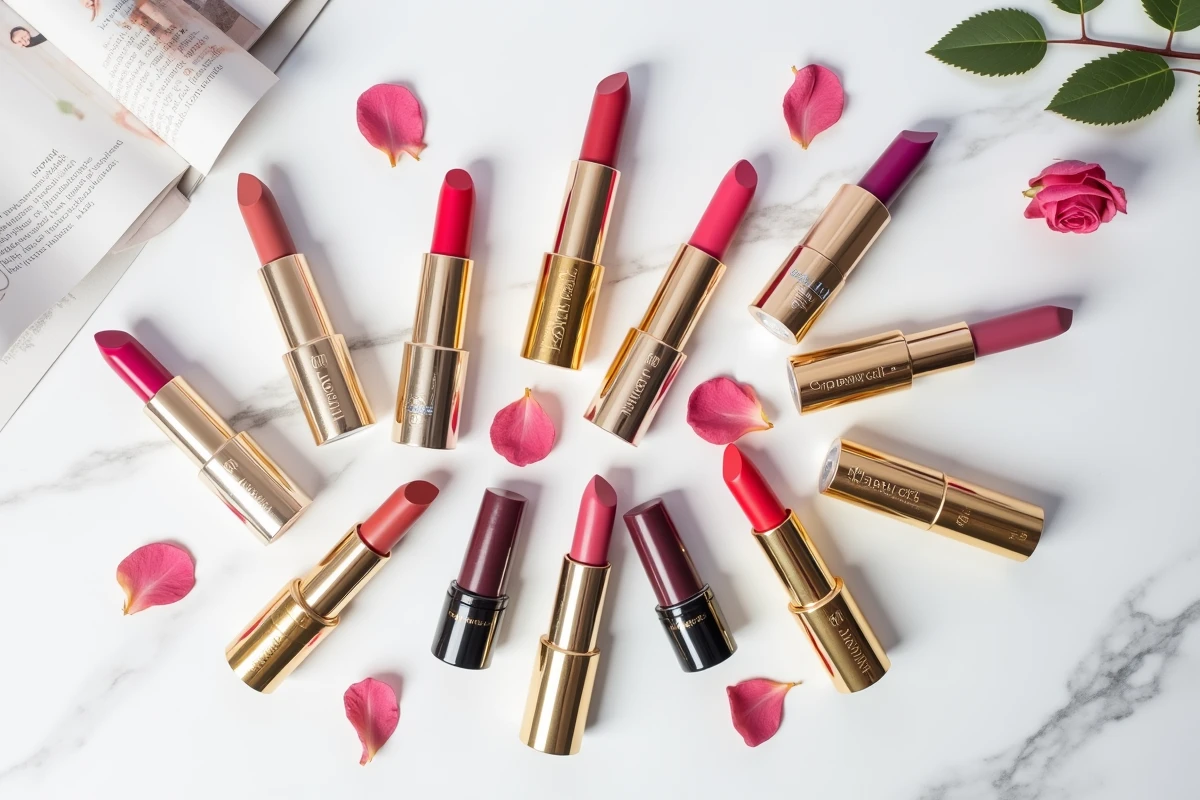
Traceability of red pigments: an issue beyond the vegan label
The marketing discourse around “clean” lipstick often focuses on the absence of certain components (parabens, silicones) or on the vegan label. The real issue, however, lies further upstream: the social and environmental traceability of the pigments themselves.
Sensient Cosmetic Technologies and Seppic have been marketing red and carmine pigments since 2023-2024 with documented supply chains. Some of these ranges carry certifications like Fair for Life, which cover working conditions and agricultural practices related to the harvesting of cochineal or the extraction of mineral pigments.
The difference with a simple “vegan” or “cruelty-free” logo is structural. A pigment can be synthetic (and thus vegan) while coming from an opaque supply chain. Conversely, an animal-derived carmine can be traced from harvest to final batch. The relevant criterion for evaluating a lipstick is therefore not just its composition, but the transparency of its entire supply chain.
- Carmine (CI 75470), an animal-derived red pigment, remains the most stable and intense available on the market. Its traceability depends on the country of cochineal harvest.
- Iron oxides (CI 77491, CI 77492) offer a mineral alternative with good stability, but less vibrant shades than pure carmine.
- Plant-derived pigments (beetroot, safflower) are gaining ground, although their longevity is generally inferior to that of traditional pigments.
Cult lipstick brands: what distinguishes a refillable tube from a disposable product
The refillable lipstick segment has expanded in recent years. La bouche rouge, a Parisian brand, has built its identity around a refillable leather case and clean formulas. Its collaborations with figures like stylist Alex Eagle or shoe designer Gianvito Rossi position the product halfway between makeup and fashion accessory.
Major houses have followed this trend. Hermès with Le Rouge Hermès, Chanel with its 31 Le Rouge, Dior with Rouge Premier: each now offers a case designed to last, with refills sold separately. This approach is not solely about sustainability. It transforms lipstick into a collectible item, a product that one keeps and showcases.

What the refillable format changes for the formula
A refillable tube imposes technical constraints. The mechanism for inserting the refill must be precise, which limits the shapes of the bullet (the molded part of the lipstick). The formula itself must withstand repeated handling without breaking or deforming.
These constraints push formulators to work with more resilient waxes and different pigment/binder ratios than those of a classic tube. The result is often a denser red, with superior coverage from the first application. The format directly influences the texture, a parameter rarely mentioned in product comparisons.
Choosing a lipstick: the technical criteria that matter
Beyond the shade, three technical parameters deserve evaluation before a purchase.
- The wax base: a lipstick formulated with plant waxes (candelilla, sunflower) will be softer than a product based on microcrystalline wax, but its wear will generally be shorter.
- The type of pigment: a carmine or iron oxide offers color stability for several hours. Plant pigments often require more frequent reapplications.
- The finish (matte, satin, glossy): it depends on the ratio between oils and waxes. A matte finish contains less oil, which explains the dryness sensation that new texture agents attempt to compensate for.
The reading of the INCI list (International Nomenclature of Cosmetic Ingredients) remains the most reliable way to compare two products. Pigments are listed under their CI code, while waxes and oils are listed under their botanical or chemical name. A lipstick whose first three ingredients are documented quality waxes and oils generally offers better comfort than a product whose formula starts with volatile silicones.
In recent years, lipstick has changed status: it is no longer just a makeup product but a revealer of a brand’s industrial practices. The origin of the pigments, the choice of format, and the transparency of the formulation tell more about a tube than its color displayed in the showcase.