What criteria truly distinguish a luxury beauty brand from a classic premium brand? With the rise of independent houses, the emergence of artificial intelligence in skincare advice, and new regulatory constraints on packaging, the high-end cosmetics segment is being reshaped. This article measures the gaps between these dynamics to identify those that are sustainably redrawing the market.
Refillable formats and the PPWR regulation: the constraint that restructures luxury packaging
The European regulation PPWR, adopted in 2024, mandates a reduction in single-use packaging. For luxury-positioned beauty houses, this regulatory constraint is not limited to logistical adjustments. It challenges the bottle as a disposable object of desire.
The Global Luxury Skincare Market 2024-2028 report by Euromonitor notes a net increase in demand for refillable formats and deposit systems in luxury, whether for cream jars or perfume bottles. The pressure comes simultaneously from the CSR expectations of high-end customers and this new regulatory framework.
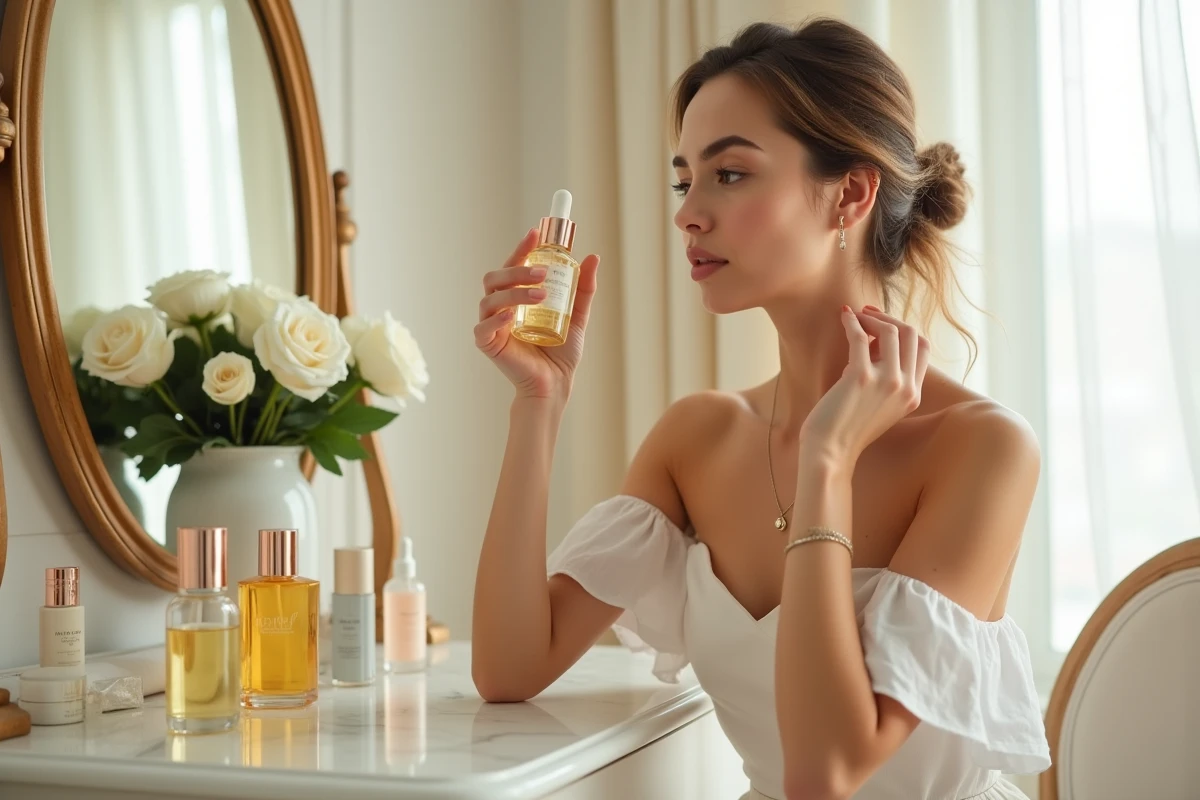
Brands that already offered refills (some fragrance lines, skincare ranges) have a structural advantage. Those that have not yet adapted their production lines face a double cost: rethinking the container while maintaining the sensory experience of unboxing, a strong marker of luxury beauty. Exploring the beauty section of Tiffany and Co allows one to visualize how some houses integrate this requirement into their skincare and cosmetics catalog.
Luxury indie brands vs. major groups: comparative table of growth dynamics
The Luxury and Cosmetics 2024 report by Bain & Company identifies a shift. The fastest growth in the luxury beauty segment now comes from niche and indie brands positioned as luxury, particularly in designer fragrances and targeted skincare. These houses are progressing faster than historical groups, relying on direct-to-consumer sales and engaged online communities.
| Criterion | Luxury indie brands | Major historical groups |
|---|---|---|
| Main sales channel | Direct-to-consumer, own e-commerce | Multi-brand retail, single-brand boutiques, e-commerce |
| Growth lever | Online communities, micro-influencers | Global media campaigns, celebrities |
| Dominant categories | Designer fragrances, targeted skincare | Makeup, facial care, signature fragrances |
| Sustainable packaging advantage | Agility (small batches, refills from design) | Industrial capacity for large-scale deposits |
| Relationship with consumers | Community dialogue, co-creation | Immersive in-store experience, personalized CRM |
This table illustrates two development models that do not oppose each other but capture different customer segments. Consumers seeking a unique brand story and a direct relationship turn to indies. Those who prioritize the physical experience and reassurance of an established name remain loyal to major groups.
Artificial intelligence and skin diagnostics: what premium brands are deploying
L’Oréal announced in 2023 the creation of a Beauty Tech and AI division dedicated to luxury, with targeted investments in generative AI. The applications cover skin diagnostics, routine personalization, and virtual try-ons, deployed across brands like Lancôme and Yves Saint Laurent Beauté.
This shift towards an industrialized hyper-personalization of beauty advice modifies the relationship between the brand and the customer. AI skin diagnostics do not replace in-store advice but intervene upstream: the consumer arrives with a pre-analyzed skin profile and filtered product recommendations.
For indie brands, which do not have the investment capacity of a L’Oréal, the response often involves partnerships with third-party technology platforms. The gap in resources widens in this area, although the online communities of indies partially compensate through the richness of shared user experiences.
Beauty micro-influencers: a higher engagement rate in luxury
A 2024 study by Kolsquare on beauty influence confirms a reversal in the luxury segment. Micro and nano-influencers generate a higher engagement rate than celebrities and mega-influencers. This finding drives brands to redirect their budgets towards more targeted profiles.
The reasons for this gap relate to the nature of the product. A luxury skincare item or a niche fragrance requires a recommendation perceived as authentic. An Instagram account with a few thousand followers, specialized in skincare or perfumery, produces detailed content that larger audiences do not allow.
- Indie brands leverage these micro-communities as their main acquisition channel, often without traditional media budgets
- Major groups are gradually integrating nano-influencers into their campaigns, in addition to global ambassadors
- Platforms like Instagram remain the dominant ground for luxury beauty content, ahead of TikTok for high-priced products
Sustainable luxury beauty trends: beyond green marketing
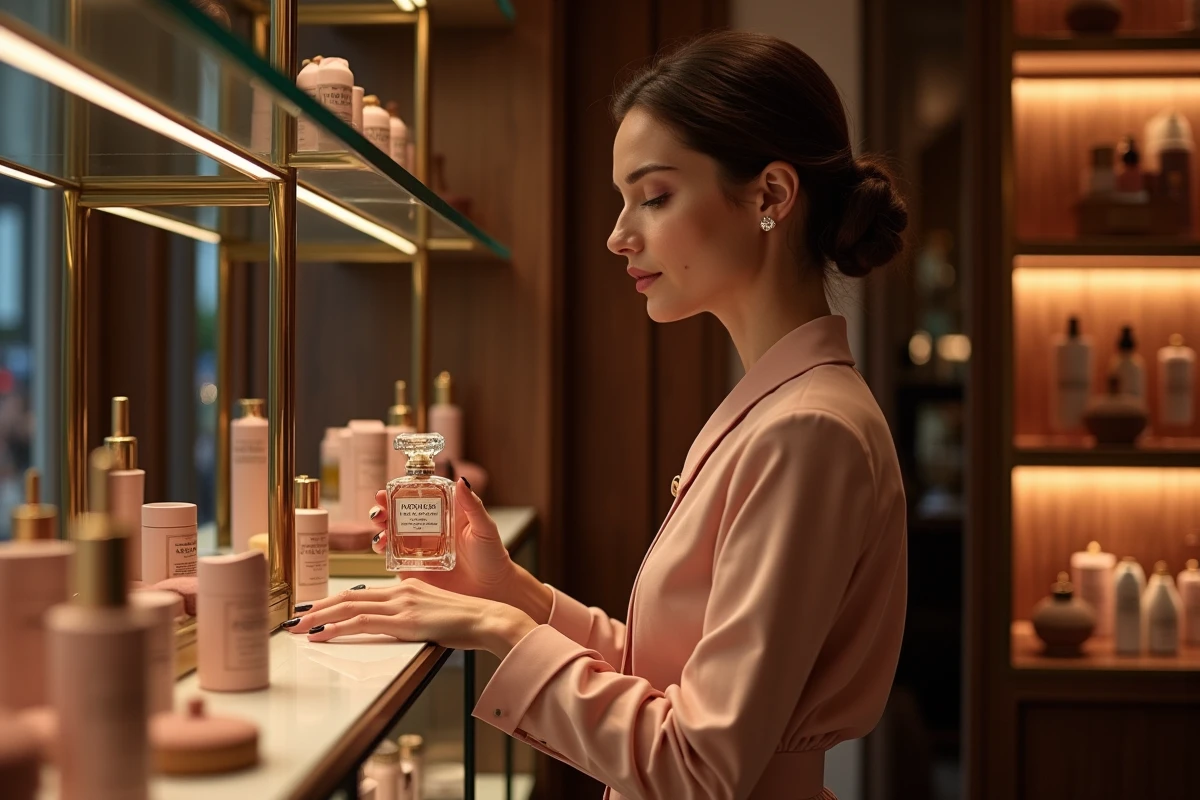
Sustainability in luxury cosmetics is no longer just a label affixed to packaging. The PPWR regulation imposes measurable obligations. High-end consumers, according to Euromonitor data, increasingly associate the perceived quality of a product with the consistency of its environmental approach.
Two axes stand out in brand strategies:
- Reformulating products with traceable ingredients and transparent supply chains, a criterion that weighs heavily in the choices of the most informed customers
- Investing in sustainable containers (refillable glass, recycled aluminum) that maintain the expected level of finish in luxury
- Reducing the number of references per range, in line with the smart beauty trend that prioritizes performance per product over the multiplication of gestures
The luxury beauty segment is being reshaped around three measurable forces: European packaging regulation, the redistribution of growth shares towards indie brands, and the deployment of AI in personalized advice. Brands that combine packaging agility and community proximity capture the strongest market dynamics.