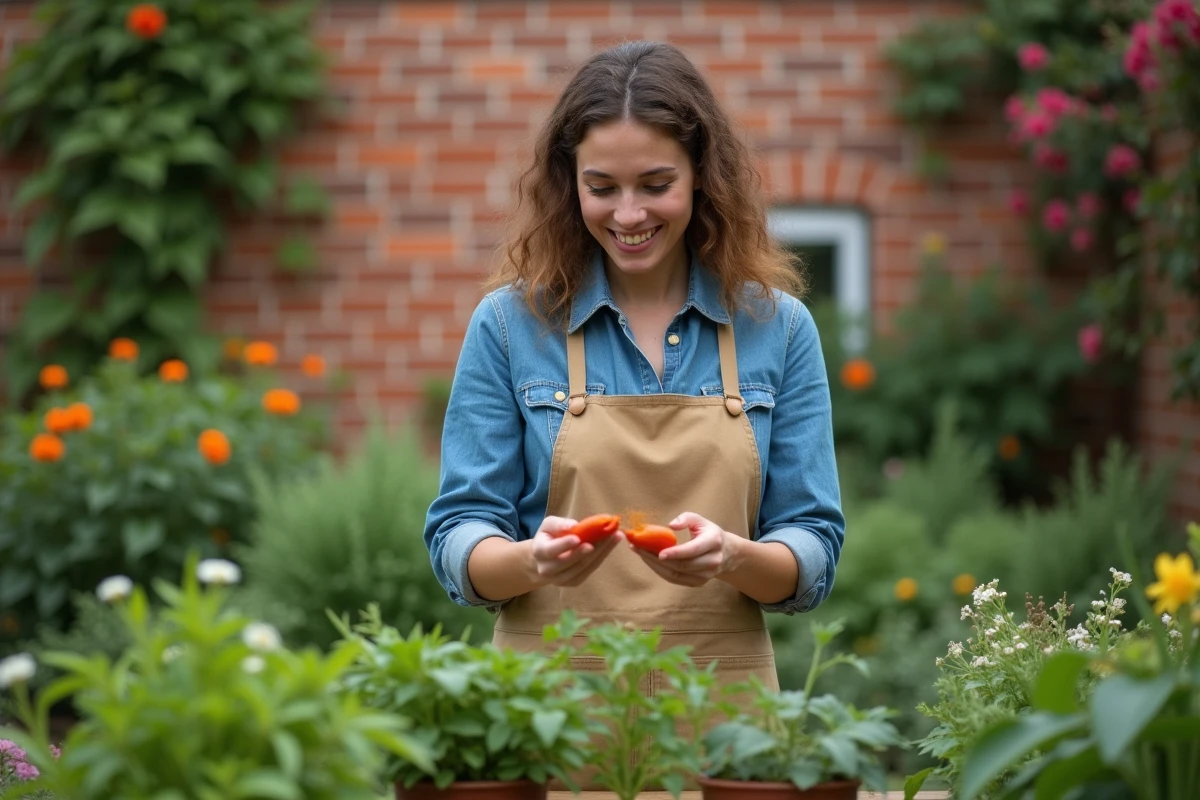
A simple seasoning can transform the health of your plants more effectively than a sophisticated product bought at a garden center. Paprika is among the few spices capable of providing both essential nutrients and protective action against certain pests in the vegetable garden. Despite its modest reputation, it serves as a natural alternative to common phytosanitary products. Its nutritional profile boasts a concentration of antioxidants and vitamins rarely matched in the spice world, while some varieties stand out for their ability to enrich the soil with microelements. Few seasonings combine so many functions.
Paprika, a spice with fascinating origins and multiple varieties
Behind the vibrant powder lies a story of travels and blended lands. Originating from South America, paprika crossed the Atlantic during the time of Christopher Columbus before settling permanently in Europe. From the ripe fruits of Capsicum annuum, one of the pepper’s cousins, Hungarian farmers elevated this spice to the status of a national emblem. The Danube, particularly around Fajsz or Kalocsa, even hosts wines under protected designation of origin (PDO), a guarantee of preserved tradition.
If we explore the major families of paprika, three styles stand out: the refined sweetness, the power of hot paprika, and the intensity of Spanish smoked paprika, dried over wood. It is impossible to ignore the connection between terroir, climate, know-how, and results. The harvest takes place at the end of summer, at the point of optimal ripeness. Born from demand, the quality of paprika extends beyond gastronomy: the benefits of paprika for plants open up perspectives that far exceed the boundaries of the plate. Each variety charts its unique path, through its aroma, its color, but also through its measured impact on soil vitality.
To easily identify what distinguishes the main facets of paprika, let’s note these aspects:
- Origins: South America, then spread to Europe from the 16th century
- Major growing regions: Hungary (Kalocsa, Szeged, Fajsz), Spain
- Notable varieties: sweet, hot, smoked
- Uses: gastronomy, fertilization, plant strengthening
What benefits can paprika bring to your plants and your health?
When used properly, paprika has more than one asset for plants. This spice contains a rich reserve of antioxidants, as well as vitamins C, E, B6, in addition to providing its share of essential minerals: iron, magnesium, potassium. Sprinkled on the surface of the soil or mixed with watering water, it stimulates the plants’ ability to stand firm against fungal diseases or certain insects, limiting the damage from oxidative stress.
Experienced gardeners sometimes sprinkle a few grams of paprika on the soil or incorporate it into a foliar spray, hoping to boost the natural defenses of young shoots. Capsaicin (present in some varieties) stands out as a gentle weapon, naturally limiting the proliferation of pests without disrupting the garden’s balance. Here, there’s no flashy effect: just an intelligent and accessible way to rebalance the vegetable garden.
The effects of paprika do not stop at the botanical sphere. In terms of nutrition, it is hard to ignore its contribution of beta-carotene, its varied vitamins, its role in immunity, blood circulation, digestion, or even on the quality of skin and hair. A teaspoon in everyday dishes, and you’re set: vitality without compromising the pleasure of eating.
Concrete tips for using paprika, combining garden and kitchen
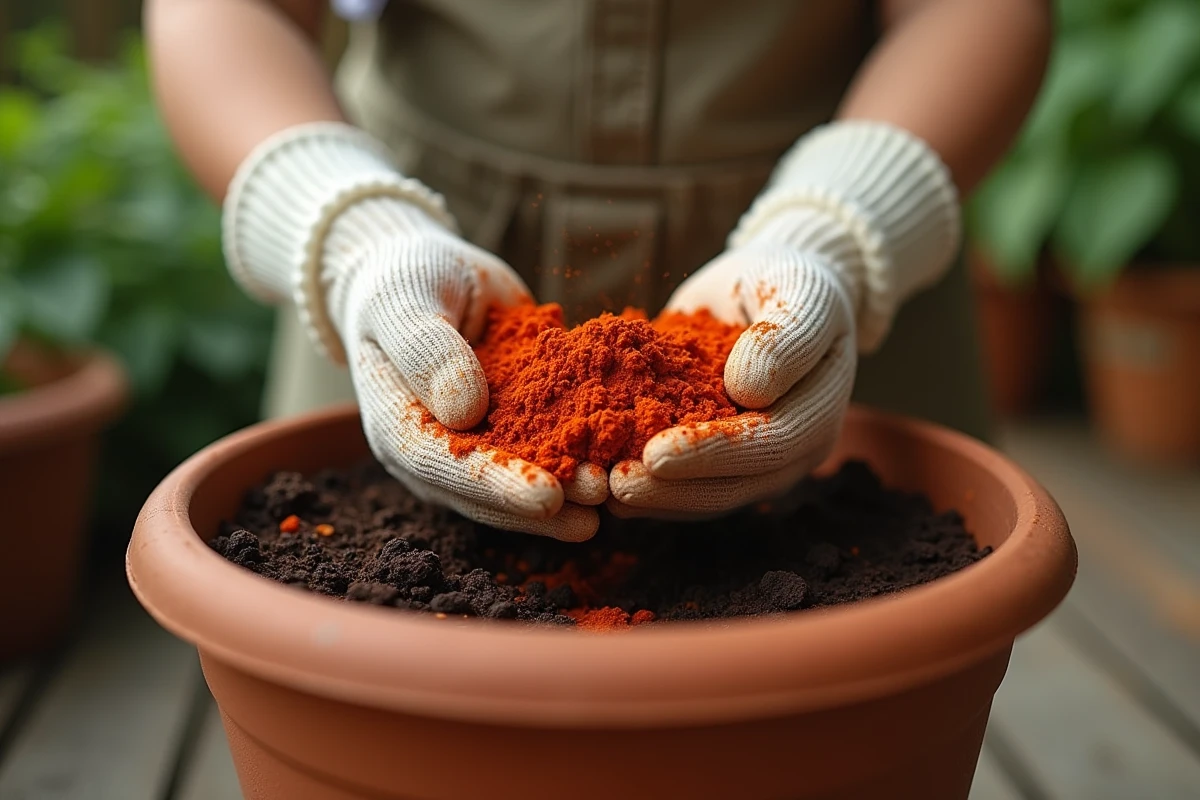
Taking action remains simple. To sustainably strengthen your plants, mix paprika powder with watering water; the dose should remain moderate to avoid any risk of leaf burn. The effects are evident: increased vitality, more resilient foliage, and a balanced ecosystem. This approach aligns with the Labbé law which favors the use of natural substances in the garden.
At the table, the playground is vast. Here are a few suggestions to enhance recipes: sprinkle a cloud of sweet or smoked paprika on roasted potatoes, incorporate it into a marinade for poultry, or sprinkle it on your grilled vegetables mixed with a drizzle of olive oil. It’s best to store this treasure in an opaque box, away from light, to preserve its color and aroma.
Some practices combine paprika with other spices like cloves or black pepper to strengthen plants’ defenses against specific pests. This alchemy, inherited from the ancients, combines efficiency and respect for soil life. Whether it’s small gestures in the vegetable garden or tips in the kitchen, paprika proves that efficiency and creativity can go hand in hand with discretion.
This condiment plays the understated role and leaves its mark, sowing robustness in the garden and generosity on our plates. Upon closer inspection, who would suspect the power of this pinch of red on our land and in our lives?