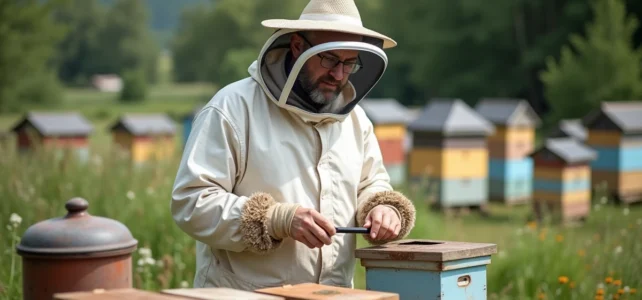
No hive thrives without a rigorous selection of tools suited to each stage of the beekeeping cycle. The choice of equipment directly influences the health of the colonies, the safety of the beekeeper, and the quality of the harvests. Basic equipment varies according to needs, but certain elements remain essential to ensure efficiency and simplicity. Complete kits, modular solutions, and innovations today facilitate access to a serene practice, even for beginners. French manufacturers now compete on the robustness, practicality, and compatibility of accessories, while integrating maintenance advice to support breeders throughout the year.
What are the essential equipment items to get started in beekeeping?
Behind every harvest that meets expectations lies a wise choice of beekeeping equipment. It’s hard to hope for a dynamic apiary without investing from the start in what will make the difference. The hive, a central pillar, determines not only the method but also the beekeeper’s involvement: whether a father of a dadant hive, a proponent of the langstroth format, or an advocate of the nucleus hive, each path relies on its requirements. Wood remains favored by connoisseurs, recognized for its natural insulation and durability against the elements.
Among the key components are the hive bodies, supers, and frames. Thanks to them, the interior organization is structured, the harvest is optimized, and the colony’s life is balanced. Using foundation wax on these frames facilitates the growth of brood and the accumulation of honey, step by step. The choice of materials, the handling of elements, the ergonomics of the supers, every detail matters when it comes time to work in the field.
Before focusing on a hive, personal equipment is essential. A full-body suit and thick gloves close the door to unpleasant surprises. The veil protects the face, the smoker calms the atmosphere, making a serene inspection possible. The indispensable frame lifter, accompanied by the bee brush, allows for manipulation while preserving the integrity of the colony and the quality of the wax.
To navigate and choose wisely, the beekeeping catalog from Conseil au Jardin offers a relevant selection of materials, designed for all profiles. Clarity, variety, and practical advice make it a valued resource, whether starting out or perfecting one’s beekeeping practice.
Beginner beekeeping kits: the ideal solution to start with peace of mind
Entering the world of bees means navigating between enthusiasm, doubts, and the need for security, especially in the first months. The beginner beekeeper kit addresses this reality: it coherently gathers all the fundamentals, from the operational hive to the extractor, without the risk of forgetting anything or including unnecessary accessories.
Here’s an overview of the equipment generally included in these sets designed for practical starting:
- a pre-assembled hive ready to install, often in the dadant format, specially designed for beekeeping in France;
- frames equipped with foundation wax to encourage the construction of combs right from installation;
- a quality smoker, a sturdy frame lifter, and a gentle bee brush, an essential trio for calm handling;
- a full-body suit, covering gloves, and a protective veil for intervention without apprehension;
- a practical guide detailing each step, from integrating the first swarm to seasonal maintenance of the apiary.
Some packs go further by adding to the kit a manual honey extractor, a uncapping tank, or even a honey ripener, allowing for a complete experience up to bottling. This approach avoids the multiplication of haphazard purchases and initiates the activity in a structured and reassuring manner.
The other advantage of these kits? Their coherence. The elements fit perfectly, limit unexpected technical issues, and facilitate each intervention: for a beginner, this makes all the difference. Feedback is clear: the time saved, the mistakes avoided, and the peace of mind gained give everyone the courage to venture far from uncertain paths.

Practical tips for maintaining your apiary and preserving bee health year-round
A vigorous apiary throughout the seasons owes nothing to chance. Regularly observing each bee colony, ensuring the presence of a mated queen, checking the extent of the brood, and monitoring honey and pollen stores: these reflexes guarantee the sustainability of the stock. As soon as the weather fluctuates, adjusting the supply of candy or bee syrup is essential to best meet the realities of each colony.
In the face of health threats, vigilance is crucial. The varroa mite silently establishes itself and quickly weakens the bees; a reasoned fight through appropriate treatment, based on a precise diagnosis, remains the best defense. Alternating methods protects against resistance while respectful approaches, organic beekeeping, and gentle interventions breathe new life into colonies and the surrounding ecosystem.
The Asian hornet is increasingly becoming part of the landscape. Installing a selective trap, monitoring the immediate environment of the apiary, and eliminating identified nests are actions that must be carried out relentlessly. Relying on genetic robustness, whether it’s the Buckfast bee or a local breed, also strengthens the colonies’ ability to withstand external pressures.
To progress and avoid facing the unexpected alone, relying on the strength of the collective proves decisive. Enrolling in a beekeeper training, participating in a school apiary, or engaging in a beekeeping union or association opens access to exchanges, concrete advice, and valuable field feedback.
Ultimately, every gesture and every piece of equipment contributes to shaping the future of your apiary. The beekeeping experience grows richer, season after season, guided by passion and daily vigilance. And every bee flight becomes a reflection of the care and rigor brought to this small, fragile but fascinating world.